Citizen Science with young people
How can we spark young people’s curiosity about research? And what role can they play themselves? At the Citizen Science MEET UP, held as part of the Real:labor Festival 3.0, interested members of the public, civic actors, and researchers came together to discuss these questions.
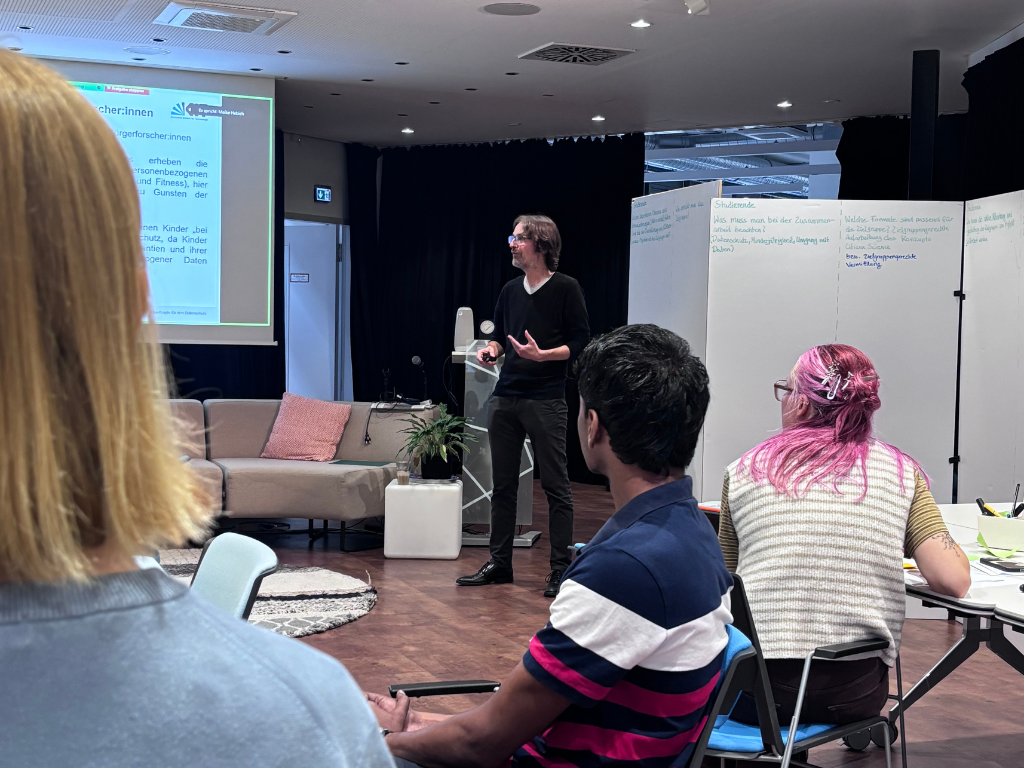
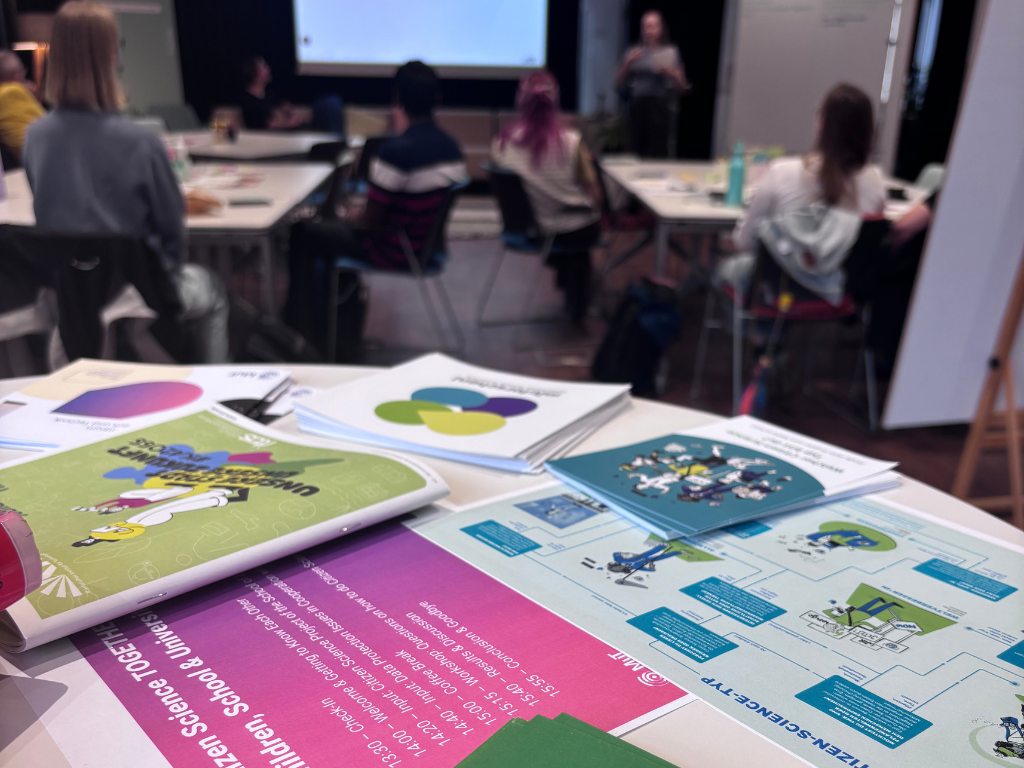
Hannah Wahler from the Center for Teacher Education/Karlsruhe School of Education provided insights into the seminar “Citizen Science: Students Conduct Research Together,” in which student teachers develop learning stations on the topic and test them with school students. In his keynote address, Jürgen Weixler highlighted the challenges of handling personal data and current technologies. It became clear that data protection poses special requirements when young people participate in research projects and that obstacles can arise time and again in practice.
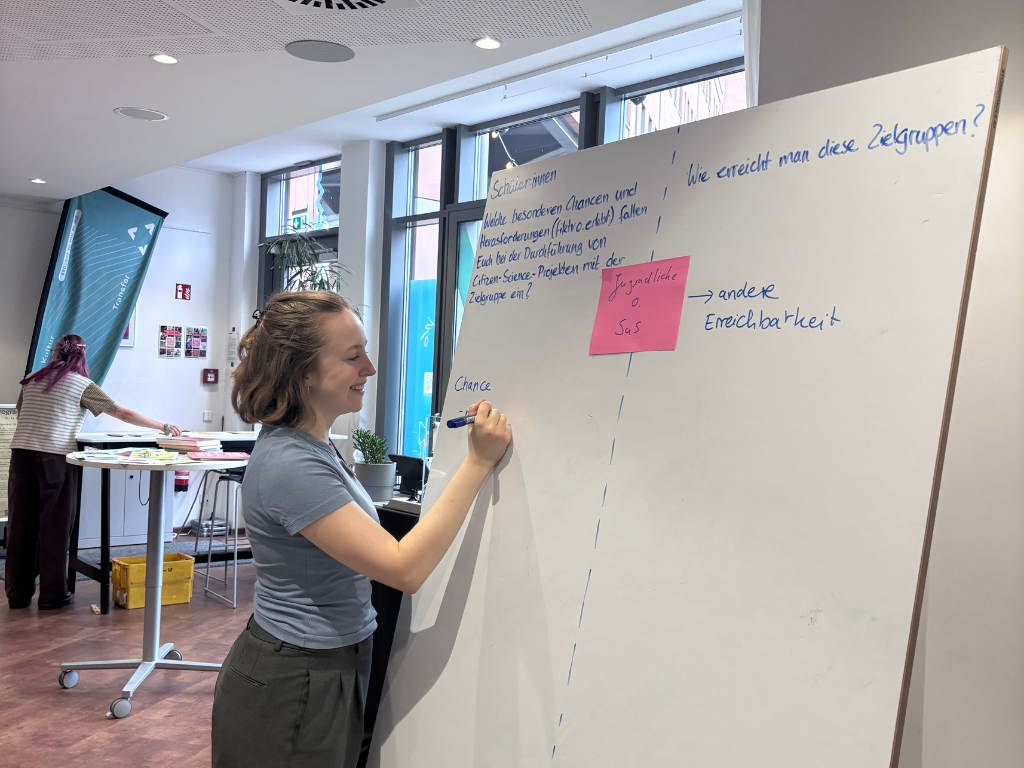
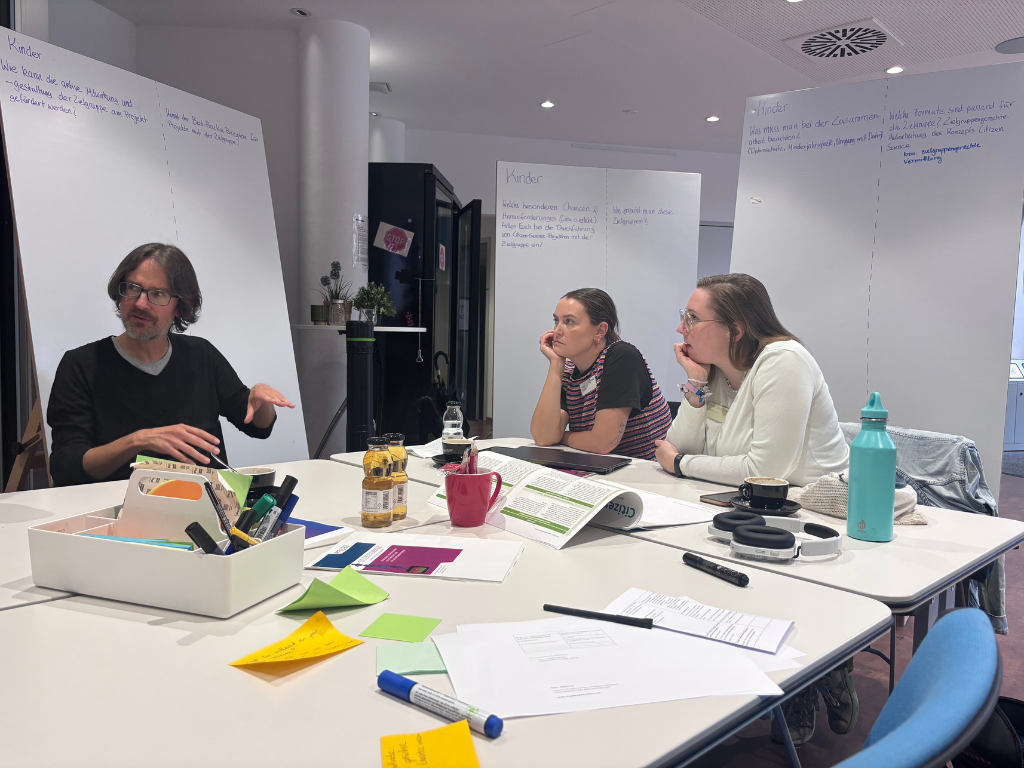
After a short break, the participants engaged in group work to discuss opportunities for children, school students, and college students to get involved.
Ein Nachmittag voller Austausch
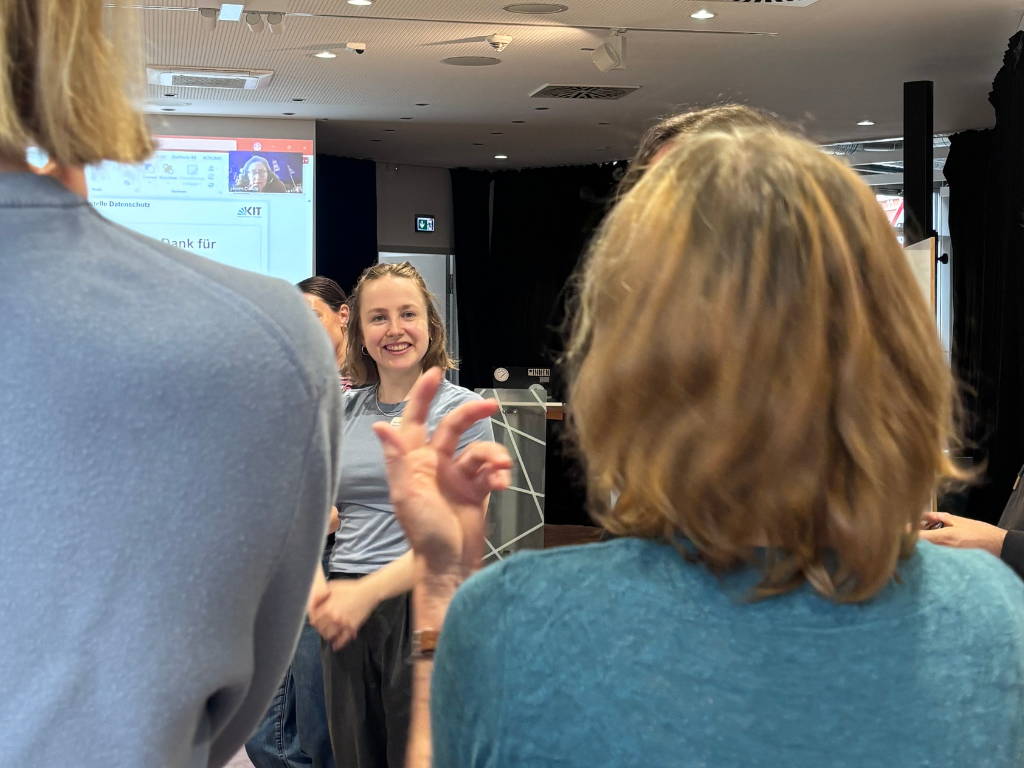
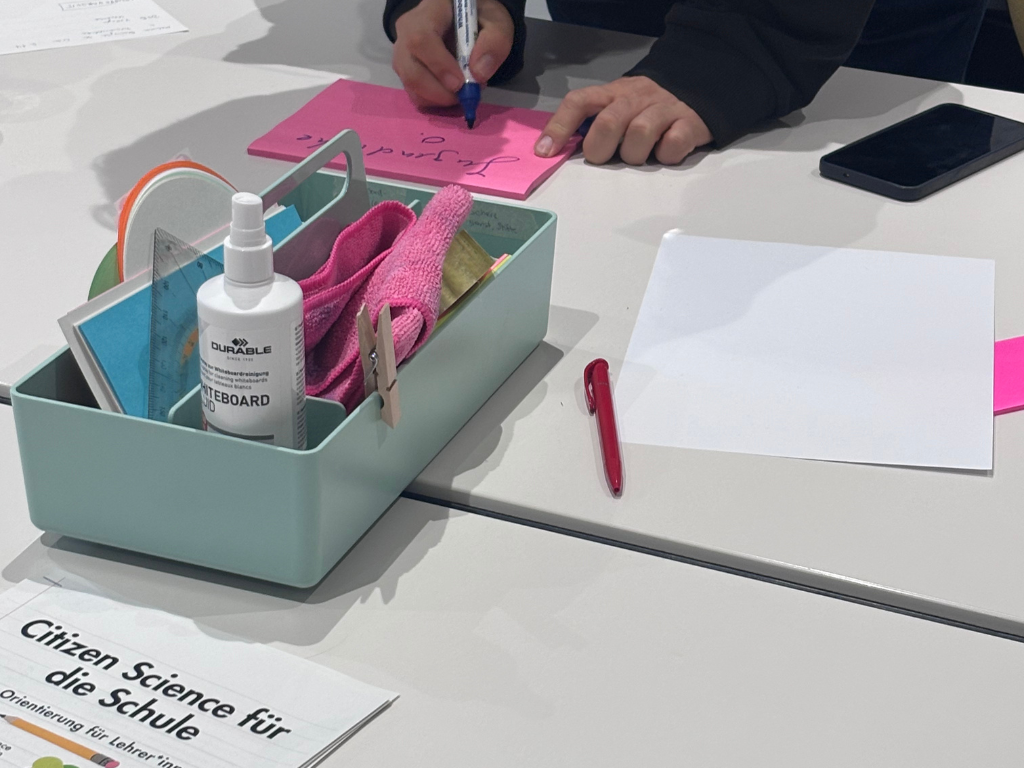
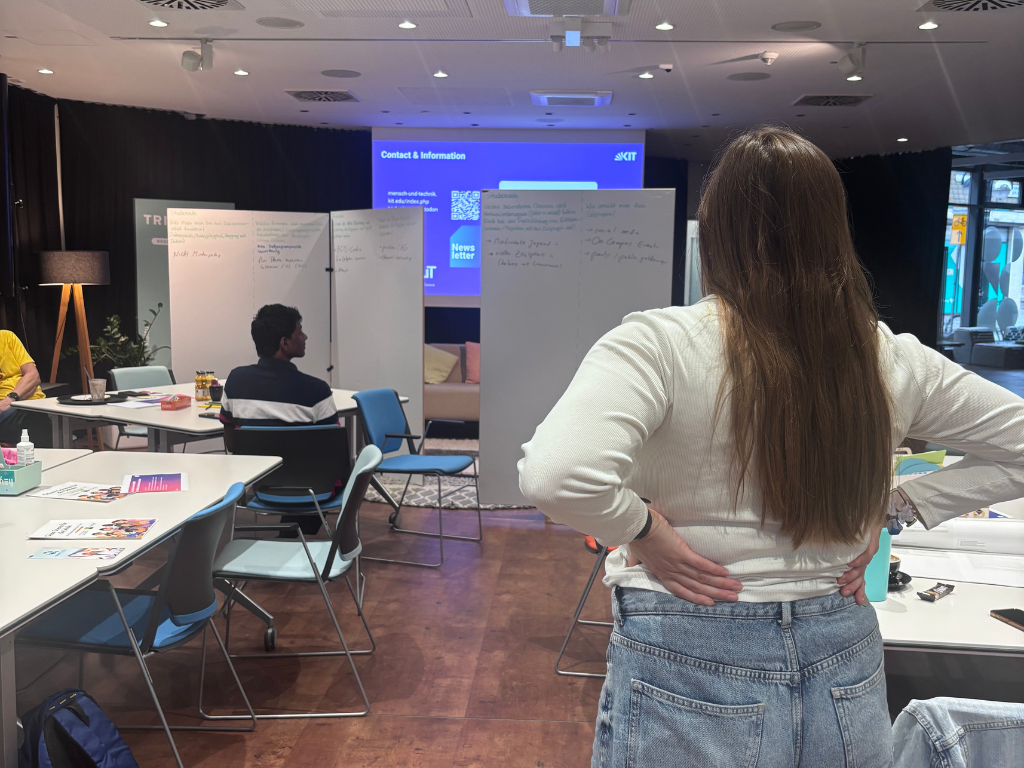
Particularly in the groups focusing on children and students, it became clear that the significance of their contributions and the resulting research findings is not always sufficiently recognized. How can the research contributions of children and young people be given greater recognition? Participants discussed various approaches, including how financial compensation could be structured, as well as grades and college credits for students. One participant emphasized that children are particularly motivated when they realize that they are conducting research themselves, just like adults.
The discussions highlighted how important it is to place greater value on young people’s contributions to research and to provide them with genuine opportunities for participation. This requires collaboration with civil society institutions and researchers who actively reach out to young people. During the concluding discussion, participants developed initial ideas for future projects and new ways to shape citizen science together with young people.
If you’d like to learn more about the highlights of our Real:labor Festival, check out our recap.